Why luxury home builders Melbourne use VR and BIM
Luxury residential projects carry a different level of expectation. Clients are not simply buying square metres, finishes or structural quality; they are investing in a deeply personal home where proportion, materiality, natural light, spatial flow and fine detailing must feel right before construction begins. When those qualities are judged only from drawings, the risk is a mismatch between what was approved and what is built, and in high-end construction, that mismatch is expensive.
This is why luxury home builders Melbourne are increasingly pairing VR and BIM. VR lets clients experience a future home before it exists, while BIM gives the project team a structured model for design coordination, information management and construction planning. This article explains how the two tools work, why they matter before construction, and how together they reduce uncertainty across design, procurement and delivery.
>>> Learn more about project controls for luxury residential construction
Why luxury residential projects need more than standard drawings
High-end homes are structurally and commercially more demanding than standard residential projects, and the reasons compound:
- Bespoke layouts and custom detailing: There is no standard solution to fall back on when a coordination issue arises.
- High-value materials and finishes: Custom glazing, imported stone and bespoke joinery carry procurement risk standard materials do not.
- Engaged clients with strong preferences: Expectations are precise, and tolerance for deviation is low.
- Multiple consultants and suppliers: More interfaces mean more places for information to fall out of alignment.
- Complex indoor-outdoor relationships: Light, view, privacy and lifestyle drive value and are hard to read on paper.
- Greater cost impact from late change: A revision to a feature staircase or façade cascades into structure, services and finishes.
Key insight: Drawings remain essential, but most clients cannot fully understand a future home from plans, elevations and schedules alone. That gap between documentation and understanding is where decision uncertainty, and later variation, begins.
Why luxury home builders Melbourne use VR and BIM before construction
Luxury home builders Melbourne adopt VR and BIM because the two tools solve different but connected problems: VR helps the client experience the design, while BIM helps the project team coordinate it. Used together, they support better client understanding, earlier design validation, more accurate material decisions, stronger coordination between architects, engineers and builders, reduced design ambiguity, better pre-construction planning, fewer avoidable variations and more confident delivery. The point is not the technology itself; it is that both are decision-support tools that move key choices earlier, when they are still free to change rather than priced at the builder’s margin mid-construction.
How VR improves client confidence
Lets clients walk through the home before it is built
A VR walkthrough lets clients experience room proportions, ceiling heights, furniture placement, views and sightlines, circulation between spaces, the indoor-outdoor connection, natural light and mood, and the key lifestyle moments of the home. Decisions are then based on spatial experience rather than imagination.
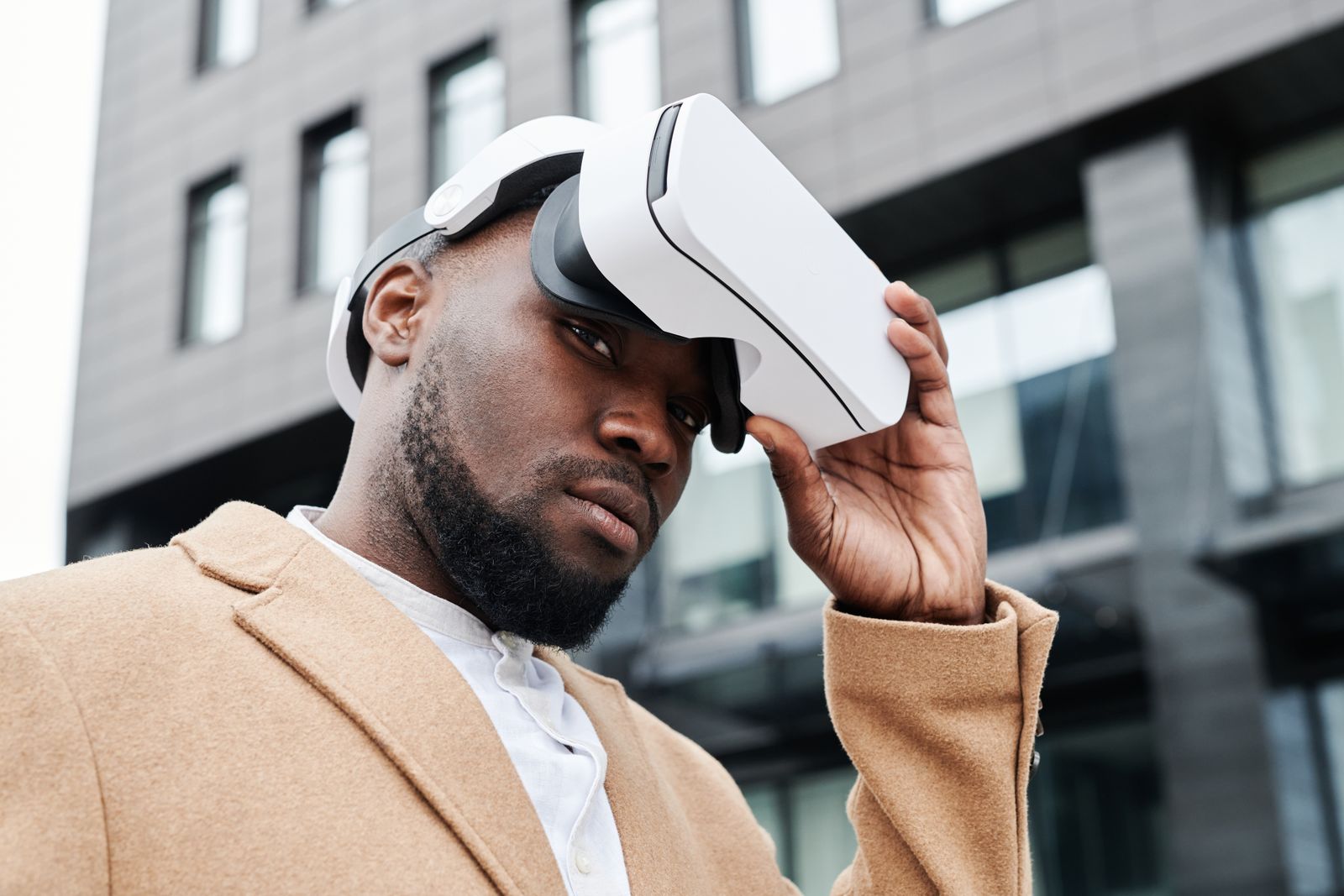
Reduces the gap between drawings and expectations
Most late-stage changes happen because the built reality feels different from what the client pictured: a living room that feels smaller than expected, a hallway that reads too narrow, an island that compromises circulation, a window that does not frame the intended view, or a material combination that feels too heavy or too cold. Seen and felt early in VR, each of these is easy to resolve before procurement or construction begins.
Supports faster approvals
When clients clearly understand the design, they approve with confidence. VR supports sign-off on layout direction, kitchen and bathroom planning, joinery design, furniture placement, lighting mood, exterior living areas and material palettes.
How BIM improves project coordination
Creates a coordinated project model
BIM brings architectural, structural and services information into one structured digital environment, letting the team review structural framing, service routes, ceiling zones, openings and penetrations, façade interfaces, material specifications, spatial coordination and construction sequencing. For luxury homes, this markedly reduces the risk of technical conflicts appearing late.
Protects design intent
Luxury projects depend on precise detailing, where a small coordination issue can undermine the final spatial and visual outcome. BIM protects design intent by keeping information coordinated, reducing version conflicts, making changes traceable, supporting consultant coordination, improving documentation clarity, and helping builders understand complex details before site work. This is where a BIM-integrated visual review is invaluable: see how 3D coordination reduces design conflicts before construction.
Supports better cost and programme control
BIM improves visibility around design changes, material requirements, sequencing and construction risk, which matters because late change in luxury projects ripples through procurement, custom fabrication, supplier lead times, the construction programme, site sequencing, client expectations and budget certainty.
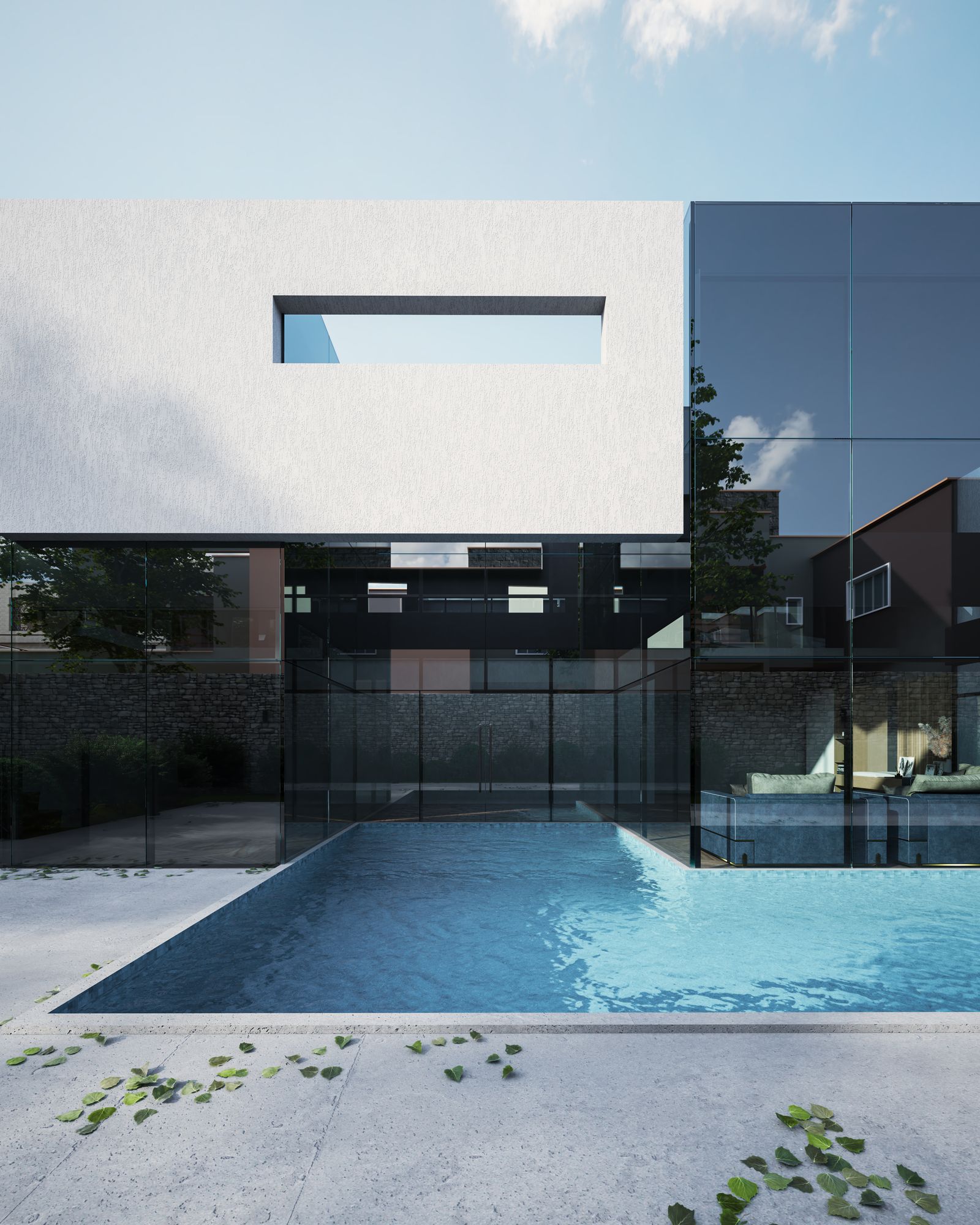
How VR and BIM work together
VR and BIM are most valuable when connected: BIM holds the coordinated technical model, and VR turns that model into an immersive experience that clients and non-technical stakeholders can understand. Together they translate technical information into a client-ready experience, validate design decisions before construction, improve communication between builder, architect and client, allow materials to be reviewed in context, surface spatial concerns before procurement, and align the team around one shared vision.
This is where DX Living fits naturally. DX Living combines BIM-integrated visualisation, immersive walkthroughs and supplier-linked material review to help project teams move from abstract design information to clearer pre-construction decisions: see the DX Studio module and the DX Living project collection.
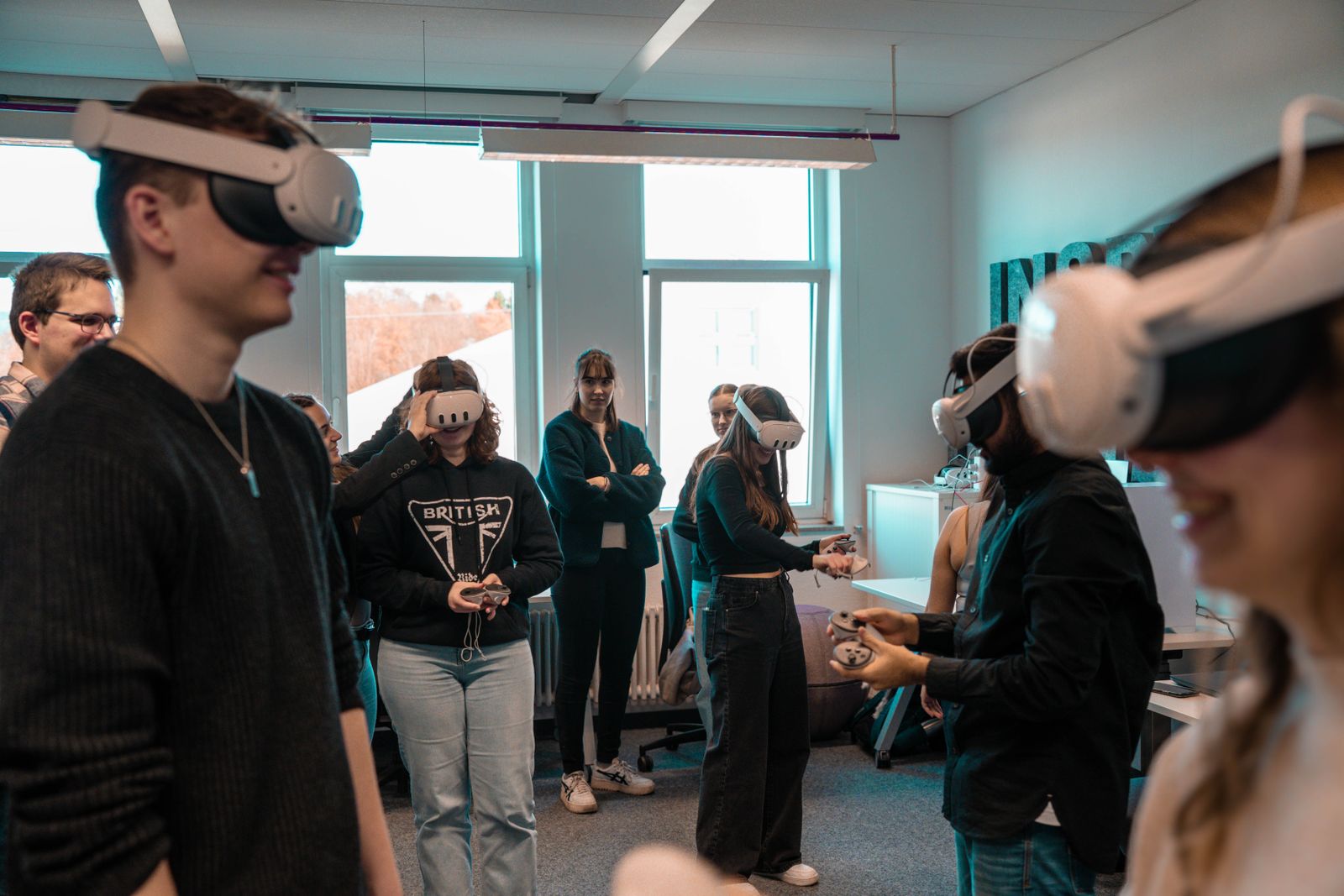
Where VR and BIM add the most value in luxury homes
Luxury home builders Melbourne get the most from VR and BIM when each tool is matched to the project stage:
| Stage | How VR and BIM are used |
|---|---|
| Design development | Test layout, massing, structure, light, views and spatial flow before the design is fixed |
| Client design review | Immersive walkthroughs to review room scale, materials, lighting and lifestyle experience |
| Material and supplier selection | Compare real stone, timber, joinery, glazing, lighting, appliances, tapware and landscape finishes in context |
| Pre-construction coordination | Review structure, services, buildability and documentation before procurement or mobilisation |
| Sales and investor presentations | Improve buyer confidence for premium off-the-plan residential projects |
What luxury builders should review before using VR and BIM
Technology only adds value when it is tied to a clear project workflow. Before implementing VR and BIM, luxury home builders Melbourne should clarify the project stage and level of design detail available, the client decisions required, BIM model requirements, consultant responsibilities, material and supplier information, review milestones and approval process, output formats, integration with the construction programme, confidentiality requirements, and how changes will be tracked.
Common mistakes luxury builders should avoid
- Using VR only as a marketing feature rather than a design-review and decision tool.
- Starting visualisation too late, after key decisions are locked.
- Building immersive models from outdated documentation.
- Treating BIM as only a 3D model instead of a coordinated information system.
- Excluding architects and engineers from model review.
- Showing materials that are not confirmed or available.
- Failing to record decisions from VR sessions, or not linking visual decisions to procurement and programme milestones.
- Overpromising what the final build will deliver.
How DX Living supports luxury home builders
DX Living supports luxury residential project teams through BIM-integrated visualisation, immersive VR walkthroughs, photorealistic interior and exterior views, supplier-linked material visualisation, pre-construction design review and client-ready visual communication, including the DX Prestige module for high-end residential work. The aim is not simply to present a beautiful design: it is to help builders, architects and developers improve clarity before construction, reduce uncertainty, and create a more confident client experience. DX Living is a visualisation and coordination partner, not a building contractor: the work complements the builder’s role rather than replacing it.
Conclusion
Luxury residential projects depend on clarity before construction begins. Clients need to understand the home they are approving, and builders, architects and engineers need coordinated information they can trust. Luxury home builders Melbourne use VR and BIM because these tools bridge the gap between imagination, documentation and delivery: VR makes the future home easier to understand, while BIM makes the design information more structured and reliable. Together they support better decisions, fewer surprises and stronger project confidence before site work begins.
Ready to give your luxury clients certainty before construction? Contact DX Living to explore how VR and BIM-integrated visualisation support your projects.
FAQs
Q: Why do luxury home builders Melbourne use VR?
A: Luxury home builders Melbourne use VR to help clients experience room scale, spatial flow, materials and design intent before construction begins, which improves decision confidence and reduces misunderstanding between the client, architect and builder.
Q: How does BIM help luxury residential construction?
A: BIM coordinates architectural, structural and services information in a shared digital model, reducing design conflicts, protecting precise detailing and improving documentation clarity for complex, bespoke homes.
Q: Is VR only useful for marketing?
A: No. VR can support marketing, but its strongest value is in design review, client approvals and pre-construction decision-making.
Q: Can VR and BIM reduce design changes?
A: They cannot eliminate every change, but they reduce avoidable ones by helping clients and project teams identify concerns earlier, before procurement or construction makes changes costly.
Q: When should luxury builders use VR and BIM?
A: During design development, client review, material selection and pre-construction coordination, before major procurement or site commitments are made.
Q: How does DX Living support luxury builders?
A: DX Living supports builders through BIM-integrated visualisation, immersive walkthroughs and supplier-linked material review, helping project teams improve clarity before construction. DX Living is a visualisation partner, not a building contractor.
References
- ISO 19650-1:2018. Organisation and digitisation of information about buildings and civil engineering works: information management using BIM. Part 1: concepts and principles.
- ISO 19650-2:2018. Information management using BIM. Part 2: delivery phase of the assets.
- NATSPEC. National BIM Guide.
- NATSPEC. BIM execution plan (BEP) templates.
- buildingSMART International. openBIM (IFC, IDS, BCF) for model coordination and issue management.
- Autodesk Construction Cloud. BIM coordination and collaboration workflows.
- Planning Victoria. Planning in 3D: using 3D modelling and visualisation for development proposals.
- Australian Building Codes Board. National Construction Code (NCC).
Related Articles
Custom home builders Melbourne and 3D visualisation
Learn how custom home builders Melbourne use 3D visualisation to improve client understanding, reduce uncertainty and support better decisions before construction begins.
Read MoreVR vs 360° in Australian property decisions
Introduction Property professionals in Australia are navigating rising expectations as digital immersion becomes central to how projects are marketed and delivered. Virtual reality (VR) and 360° tours, pioneered by firms…
Read More6 benefits of using VR technology for better project visualisation
A new way to see construction with virtual reality The building industry has progressed past static graphics and blueprints. Virtual reality has altered how developers, architects, engineers, and contractors plan…
Read More